



Vintage Report
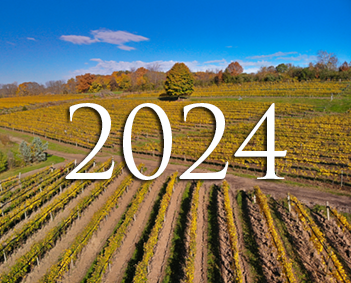
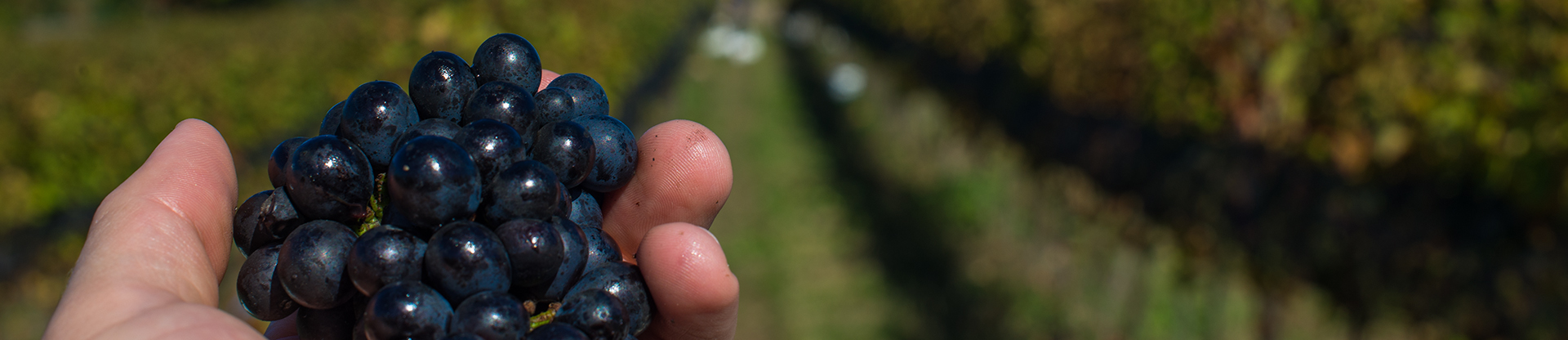
A mild winter led to an earlier-than-normal bud break. From May through July, the region had just the right amount of rainfall to help ensure vine health and good berry weight accumulation. Warm days ripened the grapes while cool nights maintained acidity – the gift of the diurnal effect provided by the temperatures of the lakes. After significant rainfall in August, September and October were warm and dry were warm and dry. This resulted in beautifully ripened grapes and wines with robust aromas and flavors. This vintage is one to watch.
VINTAGE RATING: A+

2023 Vintage
Unusually warm early spring days led to a late April bud break – our earliest on record. On May 18th, a late-season frost caused devastating losses in the region. We were extremely lucky to be on the edge of this cold front, and were largely spared from the damage. Early summer brought warmth and slightly above-average rainfall, which dramatically increased berry weights. Fortunately, warm, dry late autumn weather ripened the grapes, kept disease pressure at bay, and yielded elegant, beautifully balanced wines.
VINTAGE RATING: A-

2022 Vintage
The 2022 vintage was spectacular – one of our best growing seasons to date. It began with a warm, dry spring, mid-May bud break, and a mid-June bloom. Early summer brought drought-like conditions, then rain and humidity as fall approached. Fortunately, warm, dry weather returned in fall. The drought led to small berry sizes and lower yields, and the resulting wines have deep, concentrated flavors, beautiful balance, and character. An exceptional vintage with extremely low yields. This was the first vintage that we harvest and vinified several of our esoteric series grapes, Aligoté, Petite Arvine, and Lagrein.
VINTAGE RATING: A+
2021 Vintage
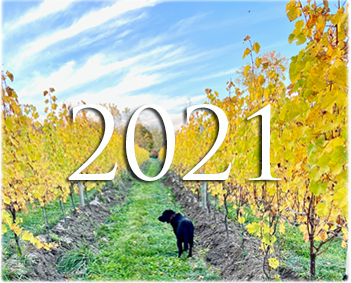
A mild winter was followed by a cool spring, a mid-May bud break, and a mid-June bloom. Early summer temperatures and rainfall were on par with regional averages, but late summer brought heavy rain. Happily, September’s sunny, dry conditions allowed the grapes to ripen and develop beautiful balance and character fully. This was a vintage where good viticultural management was vital – there was higher than normal disease pressure, and keeping weeds managed and leaves pulled to ensure good airflow was critically important to keep the grapes healthy, especially Pinot Noir.
VINTAGE RATING: B+
2020 Vintage
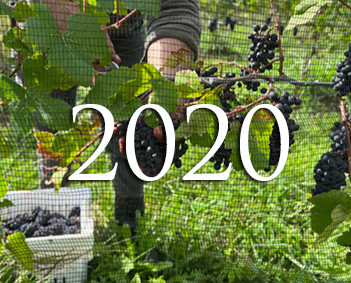
The 2020 vintage was simply spectacular for viticulture in the Finger Lakes. The vintage began with a mild winter and a cool spring, followed by a mid-May bud break. May and June were very dry, and July was warmer than normal with normal precipitation. Autumn featured warm, sunny, dry weather. The vintages’ ideal growing conditions provided good yields of exceptional quality fruit. Fall weather allowed us to pick grapes at optimal ripeness and perfect balance. One of our most exceptional vintages to date. The 2020 vintage was highly regarded by reviewers, and 2020 Mo Chuisle Pinot Noir and other Estate Pinot Noirs received significant critical acclaim.
VINTAGE RATING: A+
2019 Vintage
A mild winter was followed by a warm spring with normal precipitation, a seasonal bud break, and a June bloom. July and August were cooler than normal with significant rainfall. In late August, the weather turned, and we had a hot and dry September, which allowed the bountiful crop of grapes to fully ripen.
VINTAGE RATING: A- / B+
2018 Vintage
The 2018 vintage began with a mild winter followed by a cool spring with a late April snowfall, a mid-May bud break, and a June bloom. May, June, and most of July were hot, and extremely dry, while August and early September were warm with significant rainfall. In mid-September, drier, warm weather returned, fully ripening the grapes.
VINTAGE RATING: A-
2017 Vintage
The 2017 vintage began with a mild winter followed by a warm spring with normal precipitation, a seasonal bud break and a June bloom. July and August were cool with significant rainfall, which increased berry weights, but also began to create some disease pressure in the vineyard. In early September and October, warm, dry weather arrived and fully ripened the bountiful crop of grapes. This was the first vintage where we used the optical sorter, which allowed us to eliminate any undesirable fruit, and greatly improved the quality of the wines. This is also the first year that we made Chardonnay, so we are transitioning over to an overall vintage rating for the year, instead of a varietal specific rating.
VINTAGE RATING: A- / B+

2016 Vintage
A mild winter and unseasonably warm 80 degree March temperatures caused a record-early bud break. Warm weather continued through summer leading to the earliest harvest on record. The Pinot Noir benefited from the heat with intense flavors and additional structure. The Rieslings showcase a softer palate from the vintage, but still resonate with a crisp finish.
PINOT NOIR RATING: A+
RIESLING RATING: A-
2015 Vintage
The vintage began with a cold winter, followed by a cool, rainy spring, a seasonal bud break and a June bloom. Summer delivered significant heat and sun, bringing ripening back on pace with regional norms. September and October were dry, with warm days and cool nights, which ripened grapes while preserving acidity. Some winter damage reduced yields in our estate vineyard, increasing concentration in the estate grown wines from this vintage.
PINOT NOIR RATING: A+
RIESLING RATING: A-
2014 Vintage
A historically cold winter diminished the fruitful bud counts on Pinot Noir. Normal levels of precipitation throughout the growing season led to a warm dry stretch which began in late August and stretched midway into October. The bounty of late-summer sunlight fully ripened the fruit, while the cool autumn nights preserved balance and acidity.
PINOT NOIR RATING: A
RIESLING RATING: A
2013 Vintage
A moderate winter was followed by a seasonal bud break and bloom. Early summer brought a record-high 5 inches of rainfall in June, but the rest of the season was hot with normal precipitation. A gorgeous, dry September delivered ample sun which fully ripened the fruit, while cool nights preserved acidity. The Pinot Noir shows incredible weight and backbone, while the Rieslings are simply electric.
PINOT NOIR RATING: A-
RIESLING RATING: A

2012 Vintage
A mild winter and unseasonably warm 80 degree March temperatures caused a record-early bud break. Warm weather continued through summer leading to the earliest harvest on record. The Pinot Noir benefited from the heat with intense flavors and additional structure. The Rieslings showcase a softer palate from the vintage, but still resonate with a crisp finish.
PINOT NOIR RATING: A
RIESLING RATING: B+
2011 Vintage
With an abundance of moisture in the spring, the summer became warm and dry with intermittent thunder storms. Harvest received a great deal of moisture pressure from two hurricanes. Despite the tough conditions at harvest, the Pinot Noir wines are aromatically expressive and the Rieslings are crisp and refreshing.
PINOT NOIR RATING: B+
RIESLING RATING: A-

2010 Vintage
A mild winter led to a early bud break and bloom. Hot weather persisted throughout the growing season, followed by cooler seasonal temperatures in September. The summer heat created wonderful intensity in the Pinot Noir, and the cool autumn preserved the elegant structure and harmonious balance of both Riesling and Pinot Noir.
PINOT NOIR RATING: A-
RIESLING RATING: A-
2009 Vintage
A mild winter led to a seasonal bud break and June bloom. A cool, moist summer was followed by a dry September, ensuring a bountiful harvest. The warm September was perfect to enable the Pinot Noir grapes to develop deeper ripeness, superior flavor complexity and harmonious balance and the Rieslings to have a crisp, snappy finish.
PINOT NOIR RATING: B+
RIESLING RATING: A-
2007 Vintage
The 2007 vintage was an unusually warm and dry growing season in which vines thrived, producing Pinot Noir grapes with incredible flavor intensity and ripeness. The exceptional heat in the summer and early autumn supplied the Rieslings with a softer palate from the lower acidity found in the grapes.
PINOT NOIR RATING: A
RIESLING RATING: B

2008 Vintage
The 2008 summer was highlighted by the warm days and cool nights that are typical of the Finger Lakes. September and October brought warm and dry weather, exactly what was needed to enable the Pinot Noir grapes to develop deeper ripeness, superior flavor complexity and harmonious balance.
PINOT NOIR RATING: A+
RIESLING RATING: A
2006 Vintage
Seasonal spring temperatures were on-par with other Finger Lakes vintages. Significant heat in July expedited grape ripening, which proved to be critical as fall arrived early with wet weather in September, lengthening harvest into October.
PINOT NOIR RATING: B-
RIESLING RATING: B+
Notes on our Rating System: Our vintage report ratings are based on Heart & Hands’ experience of what is a “typical” vintage for the Finger Lakes and what we believe to be the aging potential of the wines from that year based on the growing season. Between 2006 and 2016, we made exclusively Pinot Noir and Riesling, and for those vintages, we have different ratings for the two varietals. For example, a warmer growing season may benefit a variety like Pinot Noir slightly more than Rieslings, making the Rieslings a little less likely to age as gracefully as the Pinot Noir grapes from that year. In 2017 we began working with Chardonnay, and in 2021, we harvested the first of our esoteric series of grapes (Aligoté, Pinot Auxerrois, Petite Arvine, and Lagrein) from our Estate vineyard. For vintages 2017 forward, we offer a single rating for the overall vintage.